
How Clothing Turned Into Political Expression in America
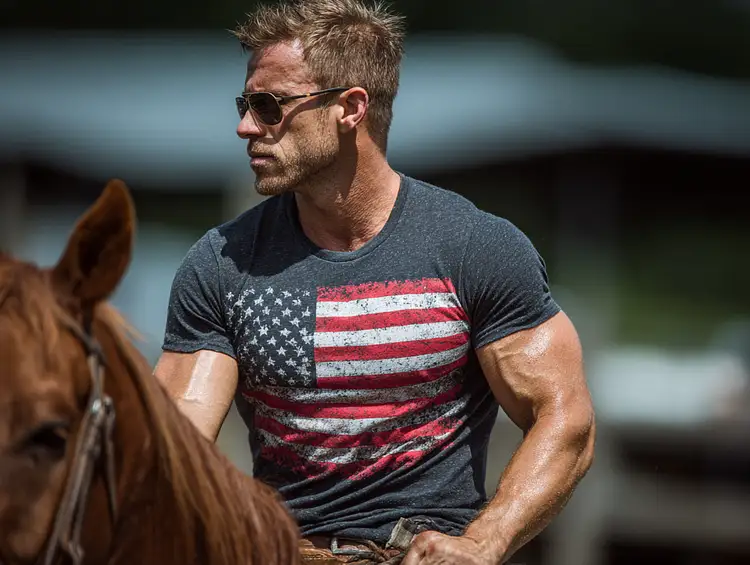
In modern America, clothing often speaks before you do.
A baseball cap, a graphic T-shirt, or even a color choice can instantly signal values, politics, or cultural alignment. A cap marked by conviction can spark reactions without a word being spoken. A hoodie built around belief can communicate identity just as clearly. A pro–Second Amendment shirt can function like a personal emblem.
Fashion has always been personal. But today, it has become something more — a mobile statement of belief. Whether intentional or subconscious, what we wear has become a form of visual language in a country where expression is both protected and constantly contested.
Early America: When Clothing Signaled Allegiance
From its earliest days, the United States expressed identity through dress.
During the Revolutionary era, clothing choices weren’t about trend or comfort — they were about loyalty. Colonists who supported independence deliberately wore homespun fabrics, rejecting British imports as an act of economic resistance. The Liberty cap emerged as a quiet but recognizable symbol of rebellion, signaling shared values without the need for speech.
The Civil War removed subtlety altogether. Blue and gray uniforms made allegiance unmistakable, and even civilians used ribbons, pins, and armbands to declare where they stood.
By the early 1900s, clothing took on a different political role. Suffragettes marched in white dresses paired with bold sashes, using fashion to project discipline, dignity, and moral clarity. Their appearance was calculated — a visual argument designed to demand legitimacy and rights.
Across generations, clothing didn’t merely reflect political moments. It actively shaped them.
Counterculture and Resistance (1960s–1980s)
By the mid-20th century, fashion had become impossible to separate from ideology.
The Vietnam War era created a visual clash of beliefs. Military uniforms and insignia continued to represent service, sacrifice, and national pride. At the same time, anti-war protesters repurposed those same symbols, transforming them into statements of dissent. The meaning of an outfit now depended entirely on who wore it — and why.
The Civil Rights Movement understood the power of appearance. Protesters dressed sharply — suits, polished shoes, Sunday dresses — projecting self-respect and seriousness in the face of hostility. Clothing became a tool for demanding to be seen as equal.
As the decades progressed, subcultures embraced fashion as outright rejection. Punk, biker, and underground movements used leather, denim, and distressed clothing as visible defiance of mainstream norms. Sometimes patriotic, sometimes oppositional, style became identity.
By this point, political clothing could no longer be ignored. It united some, offended others, and always communicated something.
The 21st Century: Apparel as a Political Broadcast
By the late 1990s and early 2000s, political messaging in clothing moved into everyday life. Slogan shirts, campaign merchandise, and value-driven apparel became common. What had once been symbolic became explicit.
Social media accelerated this transformation. An outfit worn at a rally could be photographed, shared, and amplified instantly. Clothing stopped being local expression and became digital broadcast.
For patriots and conservatives, this era opened space for unapologetic expression. Red MAGA caps, pro-2A shirts, American flag imagery, military-inspired designs — these weren’t subtle nods. They were firm declarations. A camo hoodie or eagle-branded trucker hat could communicate more conviction than a long argument ever could.
Naturally, this visibility created friction. What one person wears with pride, another may view as provocation. But that tension is precisely why political clothing holds power — it brings beliefs directly into public space.
Why Clothing Is Powerful Political Speech
Clothing works as political expression because it doesn’t ask for permission.
You don’t need to speak. You don’t need to explain. You simply exist in a space, and your message is already visible.
This form of expression is protected. The First Amendment covers symbolic speech — including what you wear when it represents belief. A flag patch, a freedom slogan, or a Second Amendment reference isn’t just decoration; it’s constitutionally protected expression.
Political apparel also builds instant connection. Seeing someone wearing the same patriotic symbol creates immediate recognition — shared values before conversation. In a divided culture, that silent acknowledgment carries weight.
And it’s accessible. Anyone can participate. A simple shirt can carry a message across a city — or across the internet — without a platform, microphone, or media outlet.
In America, clothing isn’t just fabric. It’s chosen visibility.
Patriotism, Tension, and Modern Perception
Today, what you wear can place you directly inside a cultural conflict.
Patriotic imagery, once broadly unifying, has become controversial in some circles. For many Americans, wearing the flag, a “Don’t Tread on Me” design, or military-honoring apparel is an expression of respect for the nation, the Constitution, and those who defend it. Yet in a polarized climate, the same symbols can attract criticism or hostility.
Tactical fashion and pro-Second Amendment gear face similar interpretations. To some, they represent self-reliance, preparedness, and constitutional rights. To others, they’re seen through a lens of suspicion. Meaning isn’t fixed — it’s filtered through values.
Brands that embrace these themes openly understand the stakes. Some gain fiercely loyal customers. Others face backlash. But choosing neutrality isn’t always an option. In this environment, wearing belief is an act of commitment.
Where Political Fashion Is Headed
Political clothing in America isn’t fading — it’s becoming more personal.
Advances in printing and design allow small brands and independent creators to produce apparel that speaks directly to specific communities and values. Instead of mass-produced slogans, we’re seeing sharper messages, smaller runs, and deeper identity alignment.
For many, patriotic clothing is no longer reserved for rallies or events. It’s everyday wear — a cap at the grocery store, a hoodie on a road trip, a jacket patch that simply reflects who they are.
The future points toward customization, locality, and authenticity. Political fashion will feel less corporate and more personal — worn not to provoke, but to belong.
Conclusion
In the United States, clothing has never been neutral.
From revolutionary symbols to modern patriotic apparel, what we wear has always carried meaning. It can signal loyalty, challenge norms, or quietly declare belief.
Wearing your values isn’t about confrontation. It’s about honoring the freedom to exist openly in what you believe. In a country built on expression, political fashion isn’t just style — it’s participation.
Wear it deliberately. Wear it proudly. And remember: in America, your voice doesn’t always need sound. Sometimes it’s stitched across your chest.
Frequently Asked Questions
Is clothing considered political speech in the United States?
Yes. Clothing can be considered political speech when it expresses beliefs, values, or identity, and it is protected under the First Amendment.
In U.S. law, symbolic expression — including apparel with messages, symbols, or affiliations — falls under protected free speech. This is why people have long used clothing to communicate political, cultural, or ideological positions without speaking.
When did clothing become political in America?
Clothing has been political in America since the country’s founding.
From homespun garments worn during the Revolutionary era to uniforms, armbands, and symbolic colors used in later conflicts and movements, Americans have consistently used clothing to signal allegiance, resistance, or identity.
Why do people use clothing to express political or ideological beliefs?
Because clothing communicates instantly, silently, and publicly.
Unlike spoken arguments, apparel sends a message the moment someone is seen. It allows individuals to express conviction, values, or belonging without engaging in debate, making it one of the most accessible forms of political expression.
Is wearing patriotic clothing a political act?
It can be, depending on context and intent.
For some, patriotic clothing is simply an expression of pride in country, history, or shared values. In a polarized environment, those same symbols may also be interpreted politically. Meaning often depends on the observer as much as the wearer.
Why does political clothing sometimes provoke strong reactions?
Because it brings beliefs into shared public spaces.
Political or value-driven apparel doesn’t stay private — it enters workplaces, streets, and social settings. This visibility can create connection with like-minded people while simultaneously challenging others who hold different views.
Is tactical or pro–Second Amendment clothing political?
It is often associated with political values, but not always worn for political reasons.
Many people wear tactical or pro-2A apparel to express self-reliance, preparedness, or constitutional principles. Others may view the same clothing through a political or cultural lens, highlighting how interpretation varies.
Has social media changed political clothing?
Yes. Social media has amplified the reach and impact of political apparel.
What was once a local expression can now become a national or global image within hours. Clothing has effectively become a form of broadcast media, extending its influence far beyond physical spaces.
Will political clothing continue to grow in popularity?
Yes. Political and identity-based clothing is becoming more personal and widespread.
Advances in custom printing and independent brands have made it easier for individuals to wear designs that reflect specific values or identities. Rather than fading, political clothing is evolving toward authenticity and everyday use.
Is political clothing about provocation or identity?
For most people, it is about identity rather than confrontation.
While some apparel may provoke reactions, many wear value-driven clothing simply to reflect who they are and what they stand for. In that sense, political clothing is less about conflict and more about visibility and belonging.